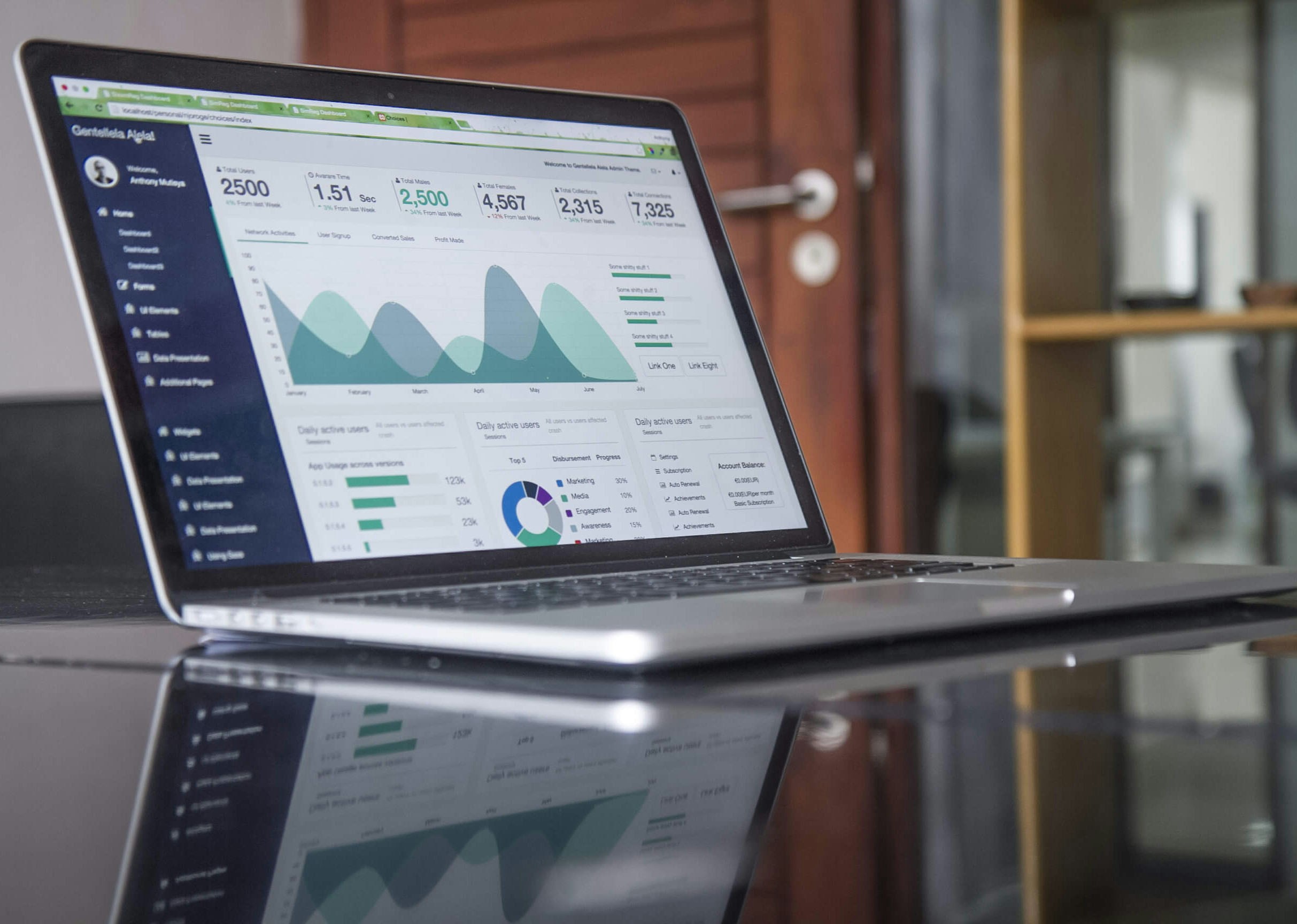
Data analytics has become a powerful force in shaping modern insurance defense strategies, helping legal teams work more quickly, reduce risk, and uncover insights that guide smarter decisions. As insurers face rising claims, stricter regulations, and increasing fraud, the ability to interpret large volumes of data with precision has become essential for staying competitive and improving outcomes.
How Data Analytics Improves Case Assessment
Data analytics improves case assessment by allowing insurers and defense teams to evaluate risks with greater confidence. When past claims, legal outcomes, and policyholder behavior are analyzed with advanced tools, patterns emerge that help lawyers predict the direction a case may take. With these insights, legal professionals can build strategies that align with the facts rather than rely on guesswork. This leads to more informed settlements and better use of resources.
Another benefit is the ability to measure the strength of evidence early in the process. By reviewing large datasets, teams can locate weaknesses, detect inconsistencies, and confirm the accuracy of statements. These insights help lawyers prepare stronger arguments and present clearer narratives in court. Because this work happens early, it saves time and supports fair outcomes for both insurers and clients.
The Growing Importance of Predictive Modeling
Predictive modeling has become a core part of modern insurance defense strategies because it helps teams forecast the likelihood of trial success or settlement. These models use historical trends to anticipate how similar cases have unfolded. When applied well, predictive tools help defense lawyers choose strategies that reduce exposure and support better financial planning. With more accurate forecasts, insurers can reduce uncertainty and manage claims more effectively.
These models also help identify the types of claims more likely to escalate. When defense teams understand which issues require immediate attention, they can respond more quickly and avoid costly delays. Predictive modeling also guides resource allocation by highlighting which cases require more investigation and which can be resolved promptly. This balanced approach protects insurers from unnecessary costs while improving the overall claims process.
Using Analytics to Strengthen Fraud Detection
Data analytics strengthens fraud detection by revealing unusual patterns in claims. When insurers analyze data such as claimant history, medical records, and accident details, they can uncover activity that may signal fraudulent behavior. This process reduces financial loss and protects legitimate policyholders. Because fraud attempts have grown more complex, modern tools offer a clear advantage by identifying risks that manual review might miss.
These tools also allow defense teams to verify information faster. When suspicious details arise, analysts can compare them with large databases to verify their accuracy. This reduces unnecessary litigation and helps insurers respond quickly to potential fraud. As a result, both time and money are saved, while the integrity of the claims process remains strong.
How Analytics Supports Cost Control
Cost control is a significant goal in insurance defense, and data analytics helps reduce expenses by identifying waste and improving efficiency. When legal billing, case length, and settlement amounts are analyzed, insurers can detect trends that raise costs. With these insights, they can redesign processes, negotiate smarter, and create more accurate budgets. This leads to improved financial stability across the organization.
Analytics also highlights which legal approaches offer the highest return. When defense teams understand which methods succeed more often, they can build strategies that reduce unnecessary spending. This supports long-term planning and helps insurers operate with more discipline. With more substantial cost control, insurers can invest in tools, training, and technologies that improve future outcomes.
Enhancing Litigation Strategy Through Real-Time Insights
Real-time insights allow defense teams to adjust strategies as new information arrives. When lawyers have access to dashboards that display updated claim data, they can take timely action. This immediate view helps them avoid delays and withstand unexpected changes. Because time is a significant factor in litigation, instant data access keeps legal teams prepared and efficient.
Real-time analytics also improve collaboration. When all parties view the same information, decisions become clearer and communication improves. With a shared understanding of risks, lawyers, claims handlers, and experts can create a unified strategy. This reduces confusion and ensures each step is aligned with the best available data.
Improving Client Communication with Clear Data
Precise data improves communication between insurers, defense lawyers, and clients. When information is displayed in simple charts and summaries, clients gain a better understanding of case progress and risks. This builds trust and supports transparent decision-making. With clearer communication, clients feel more confident in the strategies presented.
Data also helps lawyers present arguments more effectively. When measurable trends and visual tools provide evidence, it becomes easier for clients, judges, and juries to understand. This enhances the defense’s impact and allows legal teams to present a strong, well-supported case. Because clarity is essential in legal settings, data plays a vital role in shaping outcomes.
How Data Analytics Shapes Future Insurance Defense
Data analytics shapes the future of insurance defense by encouraging continuous improvement. As technology evolves, defense teams gain access to more innovative tools that automate tasks and support more accurate predictions. These advancements help insurers stay ahead of risks while adapting to industry changes. With better data, decisions become more precise, and strategies grow stronger.
The future will also include better integration between insurers and legal teams through legal data integration. When both groups use connected systems, data flows smoothly and supports a more efficient process. This partnership reduces friction, improves accuracy, and leads to fairer outcomes. As these tools grow more advanced, insurance defense will continue to evolve toward greater speed, clarity, and accuracy.